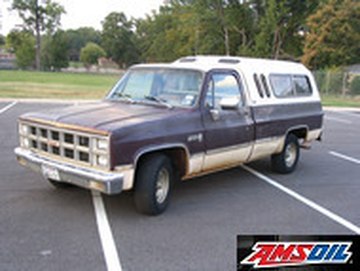
Maintaining Lubrication Standards for the 1982 Gmc Trucks S15 PICKUP 1.9L
Proper engine maintenance is a cornerstone of vehicle longevity, particularly for compact trucks like the 1982 Gmc Trucks S15 PICKUP. When managing an engine with a 1.9L displacement, consistent attention to lubrication and routine inspections ensures that mechanical components continue to operate within their intended parameters. Because every engine has specific needs regarding fluid types and service intervals, staying informed about the current condition of your vehicle is essential for effective ownership.
Monitoring Fluid Integrity and Potential Leaks
One of the most practical aspects of routine maintenance involves regular visual inspections of the engine bay. For a vehicle of this age, observing the area around the engine for any signs of fluid seepage or leakage is a prudent habit. While some level of minor seepage can occur as gaskets and seals age, significant or active leaks should be investigated promptly.
When performing these checks, look for:
- Wetness or residue on various sealing surfaces and engine components.
- Accumulations of dust or grime that may be sticking to areas where fluid has escaped.
- Puddles or spots on the ground beneath the vehicle after it has been parked.
- Changes in the color or consistency of the oil when checked via a dipstick, if applicable.
It is important to note that many different factors can cause fluid loss. A change in how much oil the engine seems to use, or the appearance of an odor that may indicate oil contacting a hot surface, warrants a closer look by a technician to identify the exact source.
Observing Changes in Engine Performance and Indicators
Beyond visual inspections, paying attention to how the vehicle behaves during operation provides critical feedback. Owners should remain observant of any new or unusual sensations while driving. For instance, if you notice changes in engine noise or vibrations that were not previously present, these can be associated with various mechanical conditions that require investigation.
If your vehicle is equipped with oil-related warning indicators on the dashboard, these should never be ignored. A sudden illumination of a warning light requires immediate attention to prevent potential damage. Furthermore, if you notice any unusual exhaust smoke, this may indicate an issue with how the engine is managing its internal fluids. Because symptoms can have multiple underlying causes, it is best to treat new observations as signals for professional diagnostic evaluation rather than attempting to pinpoint a specific failed component yourself.
Prioritizing Maintenance Based on Current Condition
As vehicles age, the approach to maintenance often shifts from strictly following a calendar to focusing on the actual condition of the components. For an owner of a 1982 Gmc Trucks S15 PICKUP, establishing a maintenance baseline is highly beneficial, especially if the previous service history is unknown. This involves documenting current fluid levels, the general state of belts and hoses (if present), and any observed mechanical behaviors.
Effective long-term ownership involves distinguishing between necessary repairs and unnecessary parts replacement. Rather than replacing components simply because they are old, prioritize tasks based on:
- Active leaks or visible signs of component wear.
- The results of recent fluid analysis or inspections.
- Any documented changes in how the vehicle consumes oil or other fluids.
- Evidence of previous maintenance neglect that may need to be addressed to stabilize engine operation.
Inspecting Auxiliary Components and Connections
A comprehensive service routine should also include an inspection of the various systems that support engine operation. If equipped, accessible drive belts should be checked for signs of deterioration such as cracking, glazing, or fraying. Similarly, if the vehicle is equipped with various hoses, inspecting them for softness, bulging, or leaks can help prevent unexpected failures.
Electrical integrity is another important factor. Inspecting wiring and electrical connectors for corrosion or loose connections can prevent intermittent issues that might otherwise be difficult to diagnose. Even small amounts of debris or oxidation on a connector can impact the performance of various engine-related sensors and systems. Maintaining a clean and organized engine environment makes these inspections easier and more effective.
The Role of Clean Lubrication in Engine Health
Engine oil performs several vital roles that are necessary for the continued operation of any internal combustion engine. It acts as a primary medium for reducing friction between moving parts, which helps manage the heat generated during the combustion process. Furthermore, the oil carries away contaminants and helps prevent the buildup of deposits or sludge within the engine.
Maintaining the cleanliness of this lubricant is essential. Over time, oil can become contaminated by various substances, which may reduce its ability to protect the engine effectively. Regular service ensures that the oil maintains its chemical properties, providing consistent protection against wear and helping to manage the thermal loads placed on the 1.9L engine during operation.
Practical Guidance for Buying Engine Oil for your 1982 Gmc Trucks S15 PICKUP 1.9L
When it is time to replenish your engine's lubrication, accuracy in selection is paramount. To ensure the best results for your specific application, you must match the oil to the vehicle-specific viscosity and application information already displayed on this webpage.
Avoid making assumptions based solely on the age of the truck or general automotive trends. When you are ready to purchase, follow these practical steps:
- Verify Viscosity: Always use the exact SAE viscosity listed in the application information provided above. Do not substitute with a different grade unless directed by the specific technical data for this engine.
- Check API Certification: Ensure the product carries the appropriate API certification to confirm it meets modern quality and performance standards.
- Consider Formulations: Depending on your engine's current condition, you may choose between conventional, synthetic blend, or full synthetic oils. Some high-mileage oil formulations contain additives intended for use in aging engines, including seal-conditioning additives, which may be worth considering if you are managing older seals.
- Inspect the Label: Before completing your purchase, double-check that the product label matches the requirements specified in your vehicle's documentation and the data provided on this page.
By strictly adhering to the application-specific information shown here, you provide your 1982 Gmc Trucks S15 PICKUP with the exact lubrication it needs for reliable operation.